
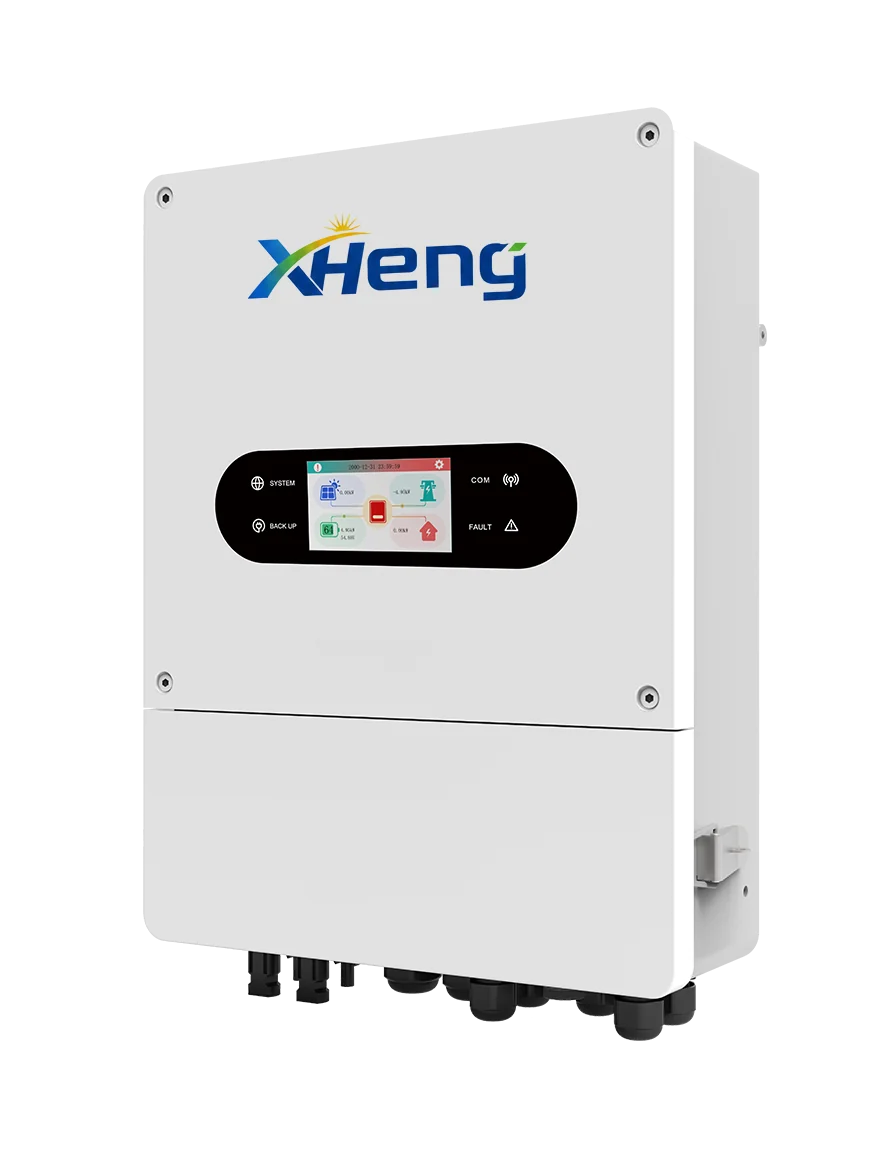
String Inverters
One inverter converts power from connected strings of solar panels.
 Language
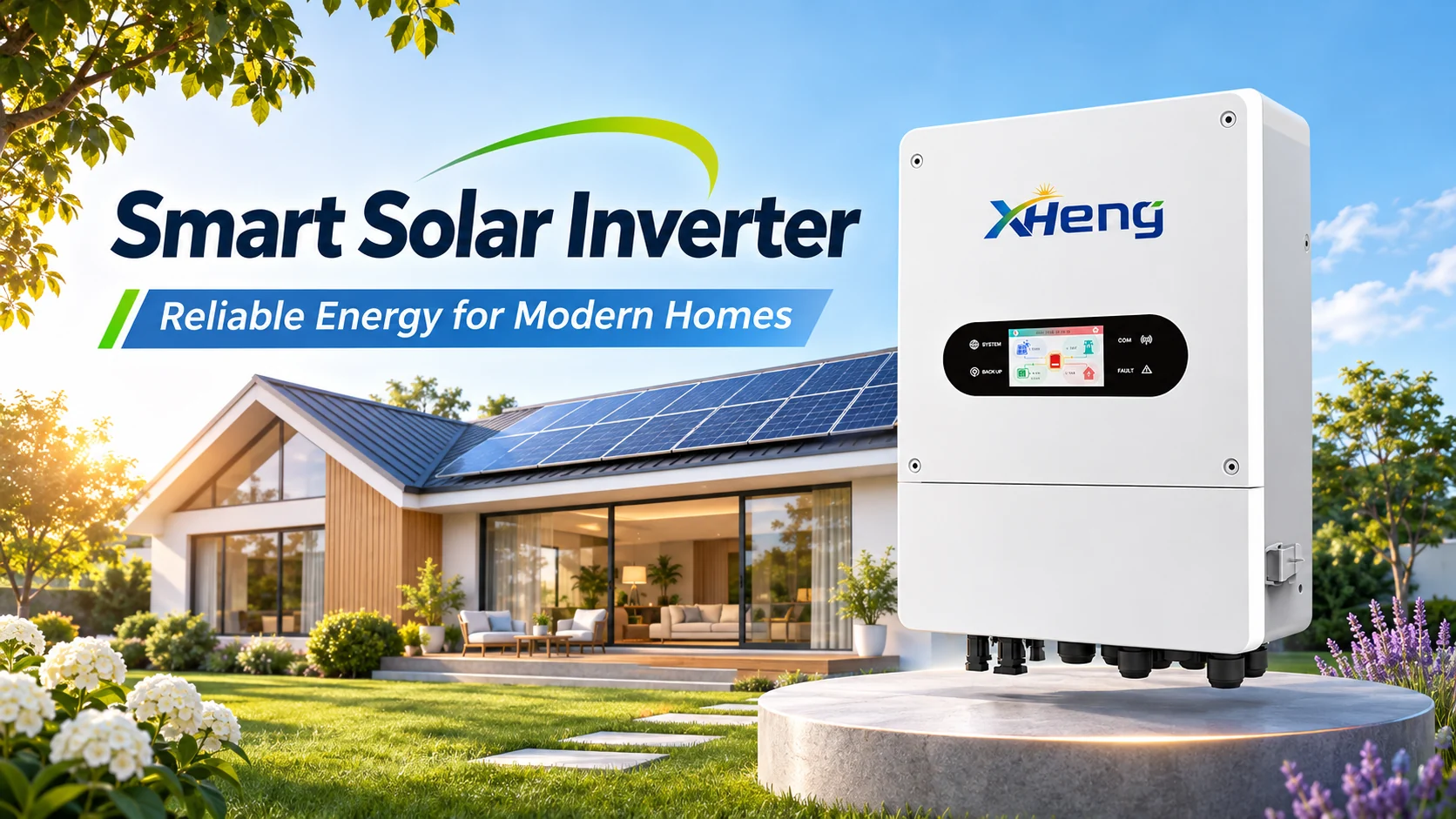
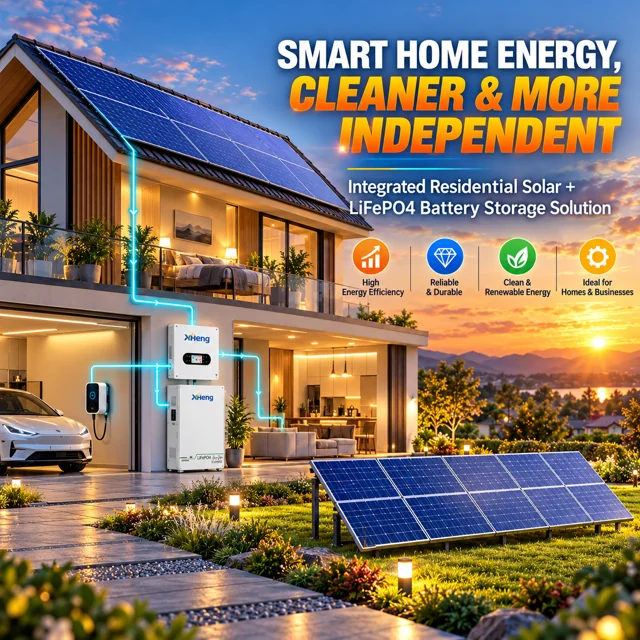
Connect solar generation, battery storage and household loads in one coordinated energy system.
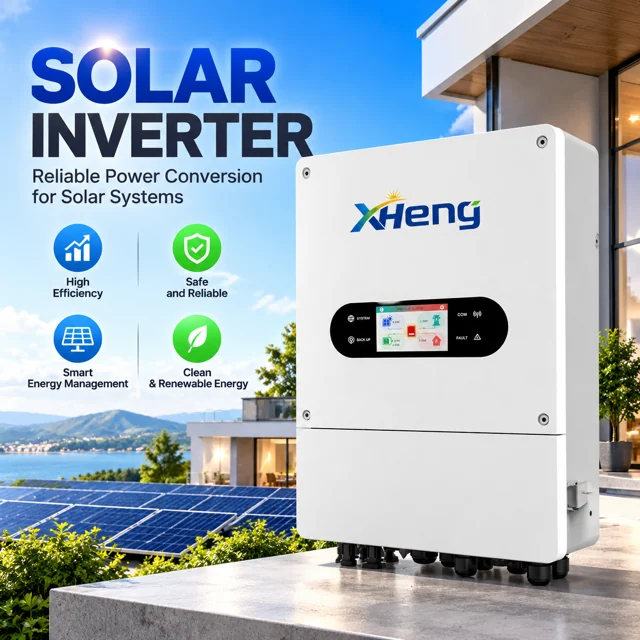
Turn solar DC power into usable AC electricity.
Coordinate compatible solar, battery and grid sources.
Select the model around your loads and installation.
A quick guide to common solar conversion technologies.
One inverter converts power from connected strings of solar panels.
Panel-level conversion lets each solar module operate independently.
Panel-level DC conditioning used alongside a compatible string inverter.
Coordinate solar generation, battery storage and grid power.
Supply AC power in systems designed to operate independently of the grid.
High-capacity conversion for larger commercial and utility installations.
Review the selected model and datasheet for your final configuration.
|
Item |
Specification |
|
Product Type |
Solar inverter |
|
System Type |
On-grid / Off-grid / Hybrid |
|
Power Range |
3kW – 12kW |
|
Battery Type |
Lithium / Lead-acid compatible |
|
Battery Voltage |
48V |
|
Output Voltage |
220V / 230V / 240V |
|
Frequency |
50Hz / 60Hz |
|
Waveform |
Pure sine wave |
|
MPPT Function |
Built-in MPPT controller |
|
Monitoring |
WiFi / APP monitoring |
|
Installation |
Wall-mounted |
|
Protection |
Overload, short circuit, over/under voltage |
|
Efficiency |
Up to 98% |
|
Component |
Function |
|
DC-AC Converter |
Converts direct current (DC) to alternating current (AC) |
|
MPPT Controller |
Maximizes power extraction from solar panels |
|
Microprocessor Unit |
Controls inverter operations and monitors performance |
|
Cooling System |
Prevents overheating and ensures stable operation |
|
Protective Circuits |
Safeguards against overvoltage, short circuits, and surges |
|
Packaging |
Strong export carton |
|
Transportation methods |
Sea freight / Air freight / Express |
Solar panels generate DC electricity.
MPPT adjusts the operating point to available sunlight.
The inverter converts DC energy into AC power.
Supported communication functions report system operation.
Solar self-consumption and compatible battery backup for everyday home use.
Coordinate conversion capacity with site demand and available solar generation.
Plan off-grid power around essential loads, storage and local conditions.
Discuss branding, power capacity, electrical settings and system compatibility with our team.
Inverters have electrical components that can wear out over time. While solar panels typically have a life span of around 25 to 30 years, solar inverters have a shorter, yet still lengthy, life span of around 10 to 15 years. You'll likely have to replace your inverter at some point during the life of your solar panels to get optimal energy production from your system.
Yes. If your system is grid-tied, it can send power directly to your home or the grid without needing batteries. Batteries are only needed for off-grid or backup power use.
Yes—grid-tied inverters can feed unused solar electricity back to the utility grid, often giving you credit on your electric bill (net metering). Off-grid systems don't have this option.
Yes. Inverters generate heat, and most include built-in fans or heat sinks to stay cool. Overheating can cause power loss or damage, so place your inverter in a shaded, ventilated area.